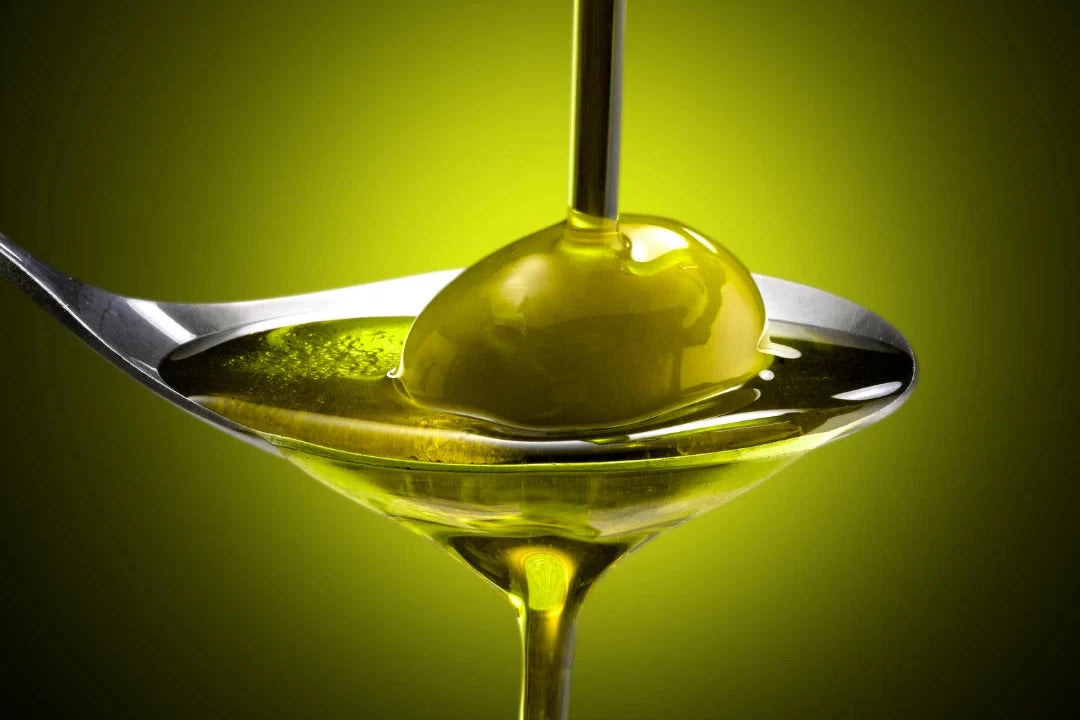

If you stand in front of the oil shelf in a supermarket or delicatessen today, you will see dozens of bottles with promising labels: "100% pure", "from nature", "traditionally produced" or simply "olive oil". But what does natural olive oil really mean in reality? Is everything that glows green in a fancy bottle and tastes like olive also an honest, healthy natural product?
The sobering answer from the industry is: No.
Many consumers trustingly choose products whose labels suggest naturalness, but which have been chemically refined or consist of highly heated, overripe olives. The result is a cooking oil that lacks precisely those health benefits and taste depths for which the liquid gold from the Mediterranean region has been famous for millennia.
In this ultimate guide, we reveal:
- How to unmistakably recognize genuine, untreated, and high-quality olive oil.
- Which marketing tricks the food industry uses to sell inferior quality at a high price.
- Why you should never compromise when choosing your daily cooking oil.
- How to decode the hidden quality features – from polyphenols to acidity.
Get ready to completely redefine your knowledge of olive oil and shop with the confidence of an expert.
What does “natural olive oil” really mean?
The term "natural" on a cooking oil label is not protected under food law in the EU. This is the first big secret that leads to massive confusion in the market. Almost any bottler can print "from nature" on their bottle without fear of consequences. However, if you are looking for a truly untreated, pure natural product, you need to know the official EU standard: Extra Virgin Olive Oil (or Extra Vergine in Italian).
A natural olive oil in terms of uncompromising quality requires three non-negotiable conditions:
- No heat (cold pressing): The oil must never be heated above 27°C during the entire extraction process. Higher temperatures increase yields for the industry, but completely destroy heat-sensitive vitamins, aromas, and antioxidants.
- No chemicals (pure mechanical extraction): Genuine oil is extracted from the fruit exclusively by mechanical processes (traditional pressing or modern cold centrifugation). Absolutely no solvents or chemical purification processes are used.
- Flawless chemistry (low acidity): The legal limit for free oleic acid content for "Extra Virgin" is a maximum of 0.8%. A truly outstanding natural product usually has a significantly lower content in practice, which indicates freshly processed, healthy olives.
Our clear stance: Never buy a product where the trade name is simply "olive oil" (without the additions "Virgin" and "Extra"). According to legislation, this is a mixture of chemically refined and virgin oil. The natural nutrients that make olive oil so healthy are largely dead in these bottles.
Taste the difference of true nature and discover Eleaminon's natural premium olive oil now!

This article might interest you. Buying Cretan Olive Oil: The Premium Gold from Greece
The bitter truth about cheap supermarket oils
What we often observe in our market analyses and in practice is a recurring pattern: Many consumers habitually reach for the cheapest promotional offer in the supermarket. Later, they wonder about a flat, watery taste or the absence of the much-praised health effects.
The reality of the global olive oil market is tough, and we must address this openly: An extremely cheap oil for a few euros per liter is simply impossible economically for a reputable producer. The fair price for a high-quality, natural olive oil consists of intensive care of the groves, gentle manual labor during harvesting, immediate processing (within a few hours) in modern mills, and strict, clean quality controls.
So how do these massive low prices in the industry come about? Mostly through qualitative shortcuts:
- Inferior raw material: To save costs, overripe olives, those damaged by pests, or those already collected from the ground are often used. These fruits have often already started an oxidation process (decay), which drives up the acidity.
- Increased yield through temperature: In large industrial plants, the olive paste is often brought to the outermost permissible temperature limits (or secretly heated beyond them). While this increases the yield, i.e., the amount of oil pressed, it mercilessly destroys valuable heat-sensitive polyphenols and vitamins.
- Global blending: Old vintages of oil that have long lost their aroma are cleverly blended with fresh oils or with mass-produced goods from completely different countries (often declared as "mixture of olive oils from the European Union and from third countries") to artificially drive down the price.
Our experience clearly shows: Those who only look at the price when buying olive oil end up paying twice – with a massive loss of culinary enjoyment and, above all, valuable, protective nutrients. A fair, directly and transparently sourced natural product is not just an expense, but a real investment in your health.
4 criteria: How to recognize 100% genuine olive oil?
To ensure that you are holding a high-quality, untreated product, you need to understand the language of the labels and the signals of the oil itself. Pay attention to these four specific, practical features:
1. The precise label check
The most important sentence on a bottle of genuine olive oil is legally required: "First-grade quality - obtained directly from olives solely by mechanical means." If this sentence is missing or if there are vague formulations, put the bottle back immediately. In practice, the more precise the origin is stated (a specific region or even the exact estate instead of just an anonymous "EU" or "non-EU"), the higher the transparency and actual quality tend to be.
2. The right packaging (light protection)
Natural olive oil is extremely sensitive to light. UV radiation and bright supermarket light destroy valuable ingredients in record time and cause the oil to go rancid. Therefore, premium oil is always bottled in dark glass bottles (e.g., dark green, brown, or black coated) or in completely opaque tin canisters. Clear white glass, in which the oil looks beautifully green, is an absolute warning sign and shows that the bottler prioritizes aesthetics over product protection.
3. The sensory taste test (polyphenols)
A common misconception: Many people mistakenly believe that good olive oil must be particularly mild, almost tasteless, and buttery. The opposite is true! Genuine, freshly pressed, natural olive oil has a grassy freshness, a slightly bitter note on the tongue, and a noticeable scratchiness in the finish (in the throat).
This scratching sensation is absolutely not a quality defect, but rather irrefutable proof of a high content of polyphenols (secondary plant compounds). These antioxidants are the main reason why olive oil is so medically valuable. If this scratching sensation is completely absent, the oil is either too old or has been industrially over-filtered and heated.
4. Transparency regarding the harvest year
Unlike wine, olive oil definitely does not get better with age. An honest producer does not hide the age of their oil. On genuine premium oils, you will often find the exact harvest year (the vintage) printed in addition to the best-before date. Ideally, natural olive oil should be consumed within 12 to 18 months of harvest, while the healthy aromas and nutrients are still fully intact.
A quick comparison at a glance:
|
Criterion |
Industrial “Olive Oil” |
Natural “Extra Virgin Olive Oil” |
|
Legal acidity |
Often high, chemically regulated |
Maximum 0.8% (usually significantly lower) |
|
Manufacturing process |
Refined (use of heat & chemicals) |
Purely mechanical, strictly cold-pressed (< 27°C) |
|
Sensory profile |
Neutral, flat, flawed |
Fruity, often slightly bitter, scratches in the throat |
|
Health value |
Low content of antioxidants |
Very rich in polyphenols & Vitamin E |
The Eleaminon Standard: Our promise for pure quality
At Eleaminon, we deeply believe that only nature writes the best recipe. When we talk about genuine, natural olive oil, we mean products that not only meet the legal minimum standards but exceed our own strict quality criteria. We consciously forgo anonymous mass-produced goods and focus on what truly matters: uncompromising purity and transparency.
Our standard for every drop of olive oil bearing our name includes:
- Strict cold pressing: We guarantee that the thermal limit of 27°C is never exceeded to preserve the full spectrum of heat-sensitive nutrients and polyphenols.
- Respectful harvesting & rapid processing: The olives are carefully harvested and brought to the mill within the shortest possible time. This prevents oxidation and keeps the acidity to an absolute minimum.
- Uncompromising light protection: We bottle our premium oil exclusively in dark, protective containers so that the quality remains exactly the same from the mill to your kitchen.
Our experience clearly shows: Once you have tasted the aromatic depth and tangible vitality of a genuine extra virgin olive oil on a simple tomato salad or with fresh bread, you will never go back to interchangeable, industrial blended oils.
Do yourself and your health a favor. Secure your natural premium olive oil directly from Eleaminon now!
Common myths about olive oil (checklist)
Don't be fooled by these widespread myths when shopping or in the kitchen. Here are the three biggest misconceptions about natural olive oil, professionally corrected:
- Myth 1: "You should never use natural olive oil for frying."
- False. High-quality, filtered extra virgin olive oil has a smoke point of about 180°C to 190°C. It is excellent for sautéing, cooking, and gentle frying (such as for vegetables or fish). Only for extreme searing (as with steaks above 200°C) or long deep-frying should you switch to special high-oleic frying oils.
- Myth 2: "The greener the color, the better and more natural the quality."
- False. The color of the oil – whether deep green or golden yellow – depends exclusively on the olive variety and the exact harvest time. It says absolutely nothing about the quality or naturalness. Professional olive oil tasters (panel testers) even use special blue or red glasses to avoid being influenced by the color during sensory evaluation.
- Myth 3: "Cloudy, unfiltered oil is healthier and more natural."
- False. Unfiltered oil still contains tiny fruit and water particles from the olive. This tastes fantastically rustic in the first few weeks after harvest, but it causes the oil to oxidize and spoil much more quickly. Professionally filtered oil is just as high in quality, loses no nutrients, but has a significantly longer shelf life and is more stable.
FAQ – Frequently Asked Questions about Natural Olive Oil
Is natural olive oil always cold-pressed?
Yes, if it claims the legal right to the highest quality (Extra Virgin Olive Oil), it must be obtained exclusively by purely mechanical means and at a maximum temperature of 27°C. Anything else is industrially heat-treated.
How should I best store the oil at home?
The three biggest enemies of olive oil are light, heat, and oxygen. Store it in a dark and cool place (ideally 15°C to 18°C in the pantry, but not in the refrigerator, as it will solidify there) and always keep the bottle tightly closed.
How long does natural olive oil last?
Unopened, a premium oil will last approximately 18 to 24 months after harvest if stored optimally. After opening the bottle, you should ideally consume it within 2 to 3 months to benefit from its full flavor and all polyphenols.
Hemen alışverişe başla: Ready for authentic taste? Transform every simple dish into a Mediterranean experience and discover Eleaminon's natural olive oils!