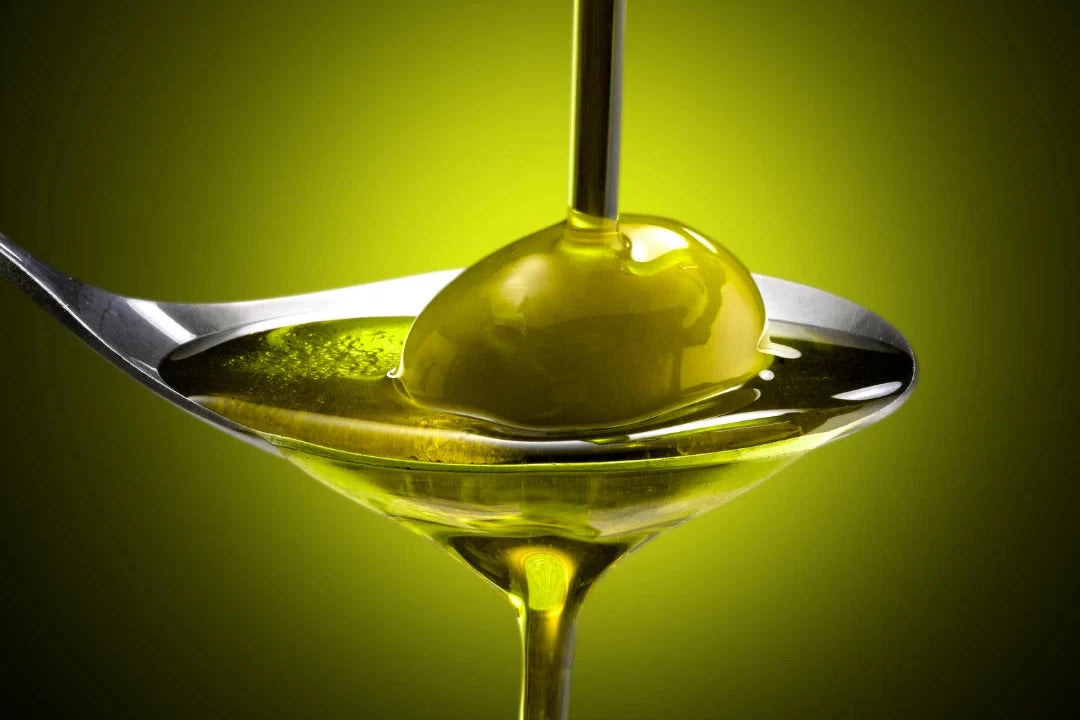

Olive oil is not just a foodstuff; it represents a millennia-old culture, is the heart of cuisine, and a scientifically proven source of healing. However, the sheer number of options on supermarket shelves and the flood of information make it difficult for consumers today to find "real" olive oil.
In this comprehensive guide, we will delve into every detail – from the journey of olive oil from the field to the table, its miraculous health effects, to the tricks for selecting the right oil and proper storage methods.
The Genesis of Liquid Gold: What is Olive Oil and How is it Made?
Olive oil is a natural fruit juice obtained through mechanical processes from the fruit of the olive tree (Olea europaea). Unlike other vegetable oils, the production of olive oil (in high-quality production) generally does not involve chemical processes or high temperatures.
The Production Process: From Traditional to Modern
The most important factor determining the quality of olive oil is the production process. The process involves the following steps:
- Harvest: Harvesting the olives at the right stage of ripeness (early harvest or full ripeness).
- Cleaning: Removing leaves and twigs, and washing the olives.
- Crushing and Malaxation: Crushing the olives into a paste and slowly kneading it. During this phase, the oil droplets combine.
- Separation (Extraction): Separating the oil, water, and pomace (pulp) from the paste.
Shutterstock
Discover
Types of Olive Oil: Which Oil is Used for What?
Even though "Virgin Olive Oil" is often the first thing that comes to mind when thinking about olive oil, there are actually different categories classified according to their respective uses.
| Olive Oil Type | Characteristics | Best Use |
| Extra Virgin Olive Oil (Extra Virgin) | Acidity below 0.8%. Highest quality level, flawless taste and full aroma. | Salads, antipasti, for dipping with bread, and for finishing ready-made dishes (raw consumption). |
| Virgin Olive Oil(Virgin) | Acidity between 0.8% and 2.0%. A good quality oil with slight aroma differences. | Cooking, steaming, and light frying of warm dishes. |
| Riviera Olive Oil | A blend of refined olive oil and virgin olive oil. More neutral in taste. | For deep-frying, searing, or for baked goods where a strong olive taste is not desired. |
| Refined Olive Oil | Oil purified by chemical processes with very low acidity. | Industrial use; not recommended for high-quality cuisine. |
The Secret of High-Quality Olive Oil: "Cold Pressed" and "Early Harvest"
These are the most searched terms in the SEO world and in gourmet cuisine. But what do they mean?
1. What is "Early Harvest"?
Olives are harvested while they are still green, meaning at the stage when their polyphenol (antioxidant) content is highest. At this time, less oil can be extracted from the olives (the yield is low), but the oil obtained is a true remedy. Its taste is fruity, spicy, and fresh.
2. Why is "Cold Pressing" Important?
It means that the temperature of the paste during the malaxation process is kept below 27 °C. If the temperature rises, the oil separates more easily, but the vitamins, aromas, and health-promoting polyphenols it contains are lost. A true gourmet oil must absolutely be "cold-pressed."
The 5 Miraculous Health Effects of Olive Oil
Olive oil is a cornerstone of the Mediterranean diet. Scientific studies have demonstrated the following effects of regular olive oil consumption on the body:
1. Heart and Vascular Health
Olive oil is rich in monounsaturated fatty acids (especially oleic acid). It lowers bad cholesterol (LDL) while protecting good cholesterol (HDL). By preventing arteriosclerosis, it minimizes the risk of a heart attack.
2. High Content of Polyphenols and Antioxidants
Polyphenols protect cells from free radicals. This delays the signs of aging and reduces inflammation in the body. It is believed to form a protective shield against cancer.
3. Good for the Digestive System
Olive oil balances stomach acid levels, thereby reducing the risk of gastritis and stomach ulcers. It supports gallbladder function and offers a natural solution for constipation.
4. Brain Health and Alzheimer's
Studies show that cognitive decline is less common in societies where olive oil is consumed. The active ingredient oleocanthal it contains may help break down the plaques in the brain responsible for Alzheimer's.
5. Skin and Hair Care
It works wonders not only from within but also from without. Due to its vitamin E content, it moisturizes the skin and relieves eczema and irritation. It nourishes hair roots and gives hair a natural shine.
How to Choose the Right Olive Oil? (Guide Against Supermarket Tricks)
The label "Natural" or "Pure" on an oil does not mean it is high quality. Here are the points professional tasters look for:
- Read the Label: Harvest year, growing region, and acidity must be clearly stated.
- Packaging: Olive oil is light-sensitive. Transparent plastic or glass bottles shorten the oil's shelf life. Dark glass bottles or lacquered tin cans should definitely be preferred.
- Smell Test: When you open the bottle, you should smell freshly cut grass, artichokes, or fruits. If you detect a rancid smell, a paint-like or earthy smell, the oil is oxidized.
- Taste Test (Pungency): A good extra virgin olive oil leaves a slight burning sensation in the throat. This is an indication of the polyphenols (healthy ingredients) it contains.
- Freezing Test: Real olive oil freezes in the refrigerator. While this is not sole proof of purity (some blended oils can also freeze), it is still an important indicator.
Using Olive Oil in the Kitchen: Widespread Misconceptions
One of the biggest myths is the idea that you cannot fry with olive oil.
Olive Oil and Temperature
The smoke point of virgin olive oil is about 190 °C – 210 °C. At home, frying is usually done at about 170–180 °C. Therefore, frying with high-quality olive oil is much healthier than with other vegetable oils (sunflower, corn oil), as olive oil is more heat-resistant and its structure is not easily destroyed.
How Should Olive Oil Be Stored?
Olive oil has four major enemies: light, heat, air, and moisture.
- Protect from light: Do not leave your oil on the kitchen counter in a sunny spot. A dark cabinet is ideal.
- Avoid contact with air: Close the lid tightly after each use. Oxygen causes the oil to go rancid.
- Keep away from heat: Cabinets directly next to the stove are unsuitable for oil. Store it in a cool place.
- The time factor: Olive oil does not get better with age like wine. It is recommended to consume it fresh (within 18–24 months of harvest).
Summary: Why Olive Oil?
Olive oil is not a luxury but a basic requirement for a healthy life. A correctly produced, early harvested, and cold-pressed extra virgin olive oil is the most valuable remedy in your kitchen. If you know the regional characteristics (e.g., the fruity aromas of the Aegean), you will become a conscious consumer.
Don't forget to read the label, question the origin, and look for naturalness to avoid compromising on quality in your kitchen.
This guide was written to cover general and technical information about olive oil. Would you like me to make the content more specific within the framework of a particular region, brand, or your special logistical advantages (e.g., fast delivery within Europe or the harvest of a specific region)?